
What are High Tensile Fasteners?
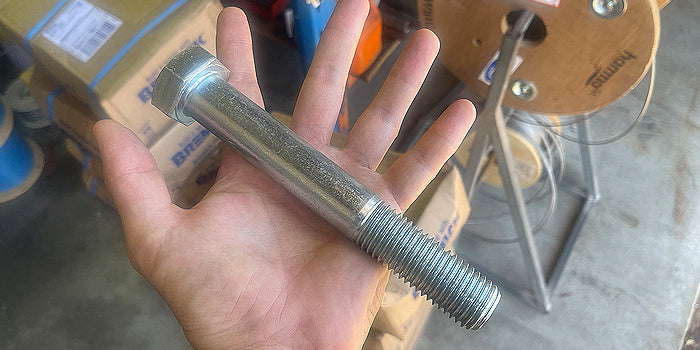
High tensile fasteners are engineered to handle serious stress and tension without giving way. Tensile strength refers to a material's ability to resist pulling forces before it breaks or permanently deforms — and high tensile nuts and bolts sit at the stronger end of that scale.
That doesn't automatically make them the right choice for every job. As with most fastener decisions, the correct solution depends on the engineering requirements of the specific application. On this page, we take a closer look at high tensile fasteners so you can make an informed call. Whether you're working out of a shed in Caloundra or a workshop in Coolum Beach, get in touch with our team for a quality range of high tensile products across different grades and thread pitches.
How are High Tensile Fasteners Different from other Fasteners?
Fasteners are generally differentiated by the material they're made from, how they're manufactured, their dimensions, the measurement system (metric or imperial), and the thread pitch (coarse or fine). Here's how high tensile fasteners compare.
Materials
High tensile fasteners are typically made from carbon or alloy steel. Other fastener types use different base metals — stainless steel fasteners, for instance, are made from various stainless steel alloys, while titanium bolts use titanium.
Process
High tensile fasteners are heat treated to reach their strength rating. This process — typically quenching followed by tempering — hardens the steel while reducing brittleness, so the finished bolt is both strong and less likely to fail suddenly under load. Other fastener types may also be heat treated, but it's a defining, mandatory step for high tensile bolts specifically.
Dimensions
Bolts come in a wide range of shapes and sizes. High tensile bolts sometimes feature a thicker shank or larger head diameter than lower-strength equivalents, though size alone isn't a reliable indicator of tensile grade.
Thread Pitch
High tensile bolts are available in both coarse and fine thread pitches. Fine threads generally offer greater resistance to vibration loosening and finer adjustment, which is part of why they're commonly specified in automotive applications. Coarse threads, by contrast, are typically faster to install and more forgiving of minor damage or debris — a genuine trade-off rather than a strict hierarchy of "better."
System
Bolts come in metric and imperial systems, and high tensile fasteners are no exception. Matching the system correctly matters just as much as matching the grade — an imperial nut will not thread safely onto a metric bolt, regardless of how close the sizes look. Bolt-In Co stocks high tensile bolts in both metric and imperial systems, in coarse and fine pitches.
When to Use High Tensile Fasteners
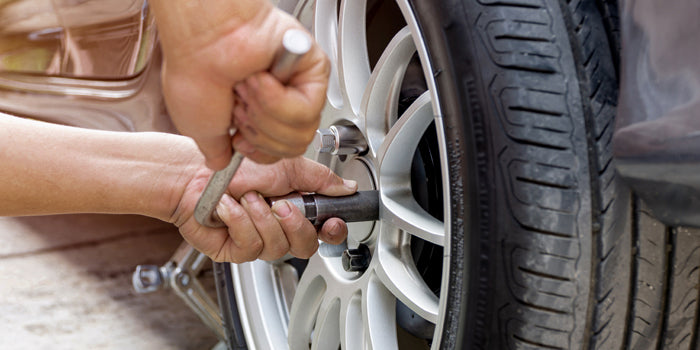
High tensile fasteners earn their place when superior strength and durability are genuinely required. Common applications include:
Structural Applications
Infrastructure projects — bridges, buildings, and other load-bearing structures — often specify high tensile fasteners where failure isn't an option. We regularly supply builders working across growth areas like Palmwoods and Bli Bli.
Automotive and Aerospace
High vibration and stress loads make automotive and aeronautical engineering a natural fit for high tensile fasteners, often paired with a finer thread pitch for added resistance to loosening.
Heavy Machinery and Equipment
Mining, agriculture, and construction equipment all place significant stress and vibration loads on fasteners, making high tensile grades a common specification — something we see regularly from hinterland properties around Maleny and Mooloolah Valley.
Marine Applications
Offshore and marine environments can call for high tensile fasteners where stress and vibration are significant factors — though corrosion resistance is a separate consideration, covered below. It's a common question from boat owners on the Sunshine Coast.
When not to Use High Tensile Fasteners
High tensile fasteners should be specified only when the application genuinely calls for it — otherwise, they're an unnecessary expense for a job that didn't need it.
Low-Stress Applications
Plenty of general hardware and construction tasks are well served by less expensive fastener grades.
Corrosive Environments
Balancing strength against corrosion resistance depends on the specific application. Standard high tensile steel isn't inherently corrosion-resistant, and stainless steel fasteners — particularly marine-grade SS316 — offer significantly better protection in coastal settings. For advice on preventing corrosion more generally, our guide on stopping outdoor fasteners from corroding is worth a read.
High Temperature Environments
High tensile fasteners can lose strength at elevated temperatures, as heat treatment effects begin to reverse. In genuinely high-heat applications, specialist alloy or high-temperature-rated fasteners are usually the more appropriate solution — this is a job for an engineer's spec sheet, not a guess.
Grading the Strength of High Tensile Bolts
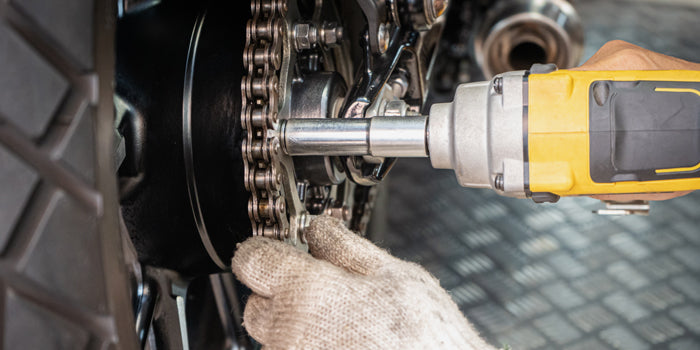
In Australia, high tensile bolts are most commonly graded using the metric property class system — numbers like 8.8, 10.9, and 12.9 stamped directly on the bolt head. The first number relates to the bolt's tensile strength, and the second to the ratio between yield and tensile strength — the higher the numbers, the stronger the bolt.
You may also come across the American SAE system (Grade 2, Grade 5, Grade 8) or ASTM grades (such as A325 or A490) on imported equipment or older machinery, particularly in automotive and classic vehicle contexts. These systems aren't directly interchangeable with metric property classes, so when matching a replacement fastener, it pays to confirm which system the original was specified in before assuming equivalence.
High Tensile Fasteners at Bolt-In Co
Enquire with Bolt-In Co Sunshine Coast for the right fasteners for your project. We hold a wide range of high tensile stock on the shelf, and can order in additional products where needed, depending on quantity required. Our team is on hand to help you get the right fastener the first time.


